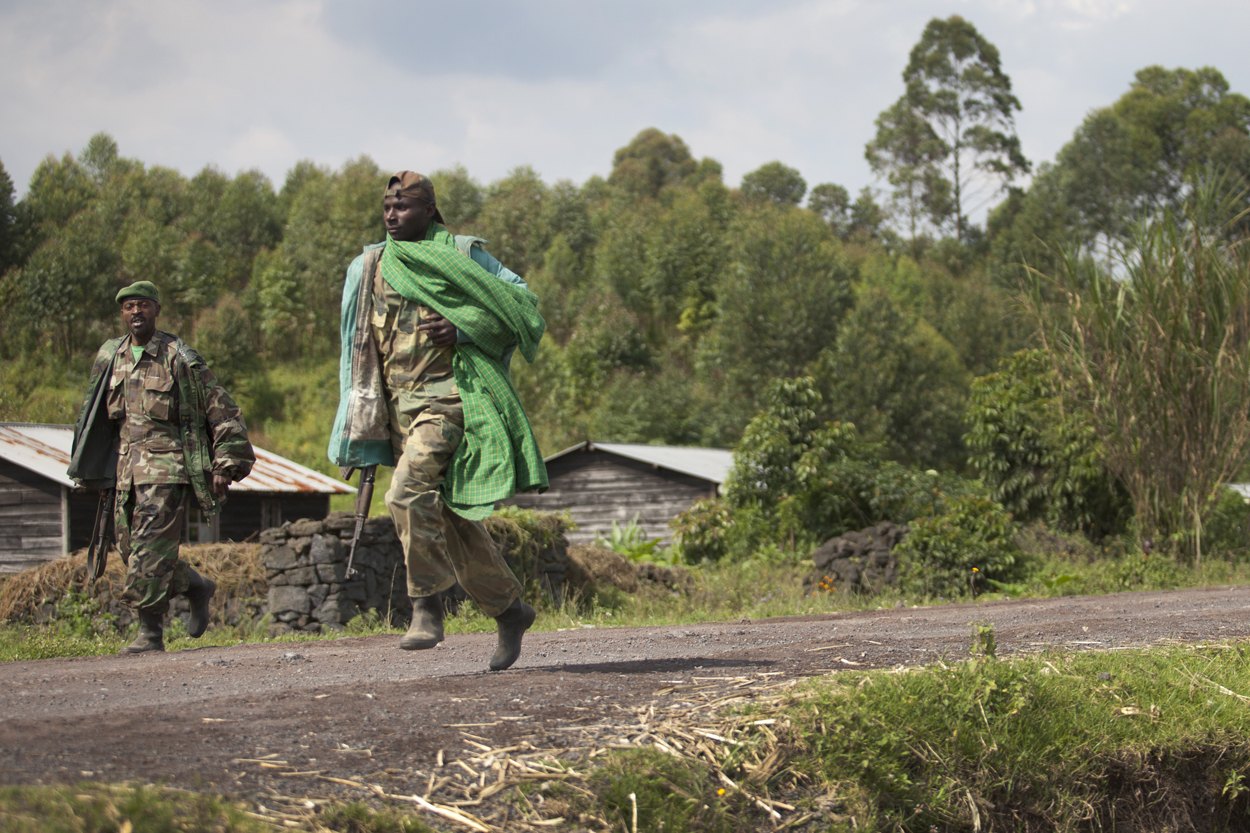
Survey receiver on a tripod standing on a mound of raw earth at a quarry under a blue sky

About us

Auditors who build plants

GMPG International Corp. is a natural-resources development and consulting group working in the DRC and Tanzania. We are auditors by training who have spent our careers in early-stage companies. We formalise artisanal mining at the source, and we believe it pays.

Inspector in a safety vest photographing equipment inside an industrial plant

Who we are

Who we are

Auditors by training, not miners

We are auditors by training. We have spent our working lives in early-stage companies, checking what was true before anyone spent money on it. That habit came with us into mining. We do not build a plant until we have verified the ground, the people and the paper behind it. When a site, a partner or a set of accounts does not hold up, we say so and walk away.

We are not miners by background, and we say so. We work with the geologists, metallurgists and plant engineers who are. What we bring is the discipline of the audit: evidence before opinion, controls before cash, and a written record of both. In a sector that has run on trust and handshakes, that discipline is the product.

The company is a Delaware corporation, run between Washington, DC and Los Angeles. The work is in the DRC and Tanzania. That is where the ground is, and so are the people who know it better than we do. We do not claim expertise we have not earned. Where we lack it, we ask, we check, and we put the answer in writing.
Neatly patched network cables in a server rack

Our background

Our background

Audit, traceability and logistics

Our careers began in IT audit and information assurance. We tested the security of large enterprises and universities against federal and industry standards, and wrote up what we found. We learned to read a control environment, to distrust a claim without a record, and to sign our names to a finding. That work teaches one thing: a control that is not tested does not exist. We apply the same rule to a mine.

From there we moved into early-stage software, where we designed and ran blockchain-backed traceability and certification systems. Those systems followed farm produce, minerals, gemstones and precious metals from origin to buyer. We learned how a chain of custody breaks in practice, and what it takes to keep one intact in the field.

Between us we have also run logistics for a private security company in East Africa. We have managed supply chains and worked in financial markets. None of this makes us miners. It makes us people who can move goods, guard them, price them and prove where they came from.

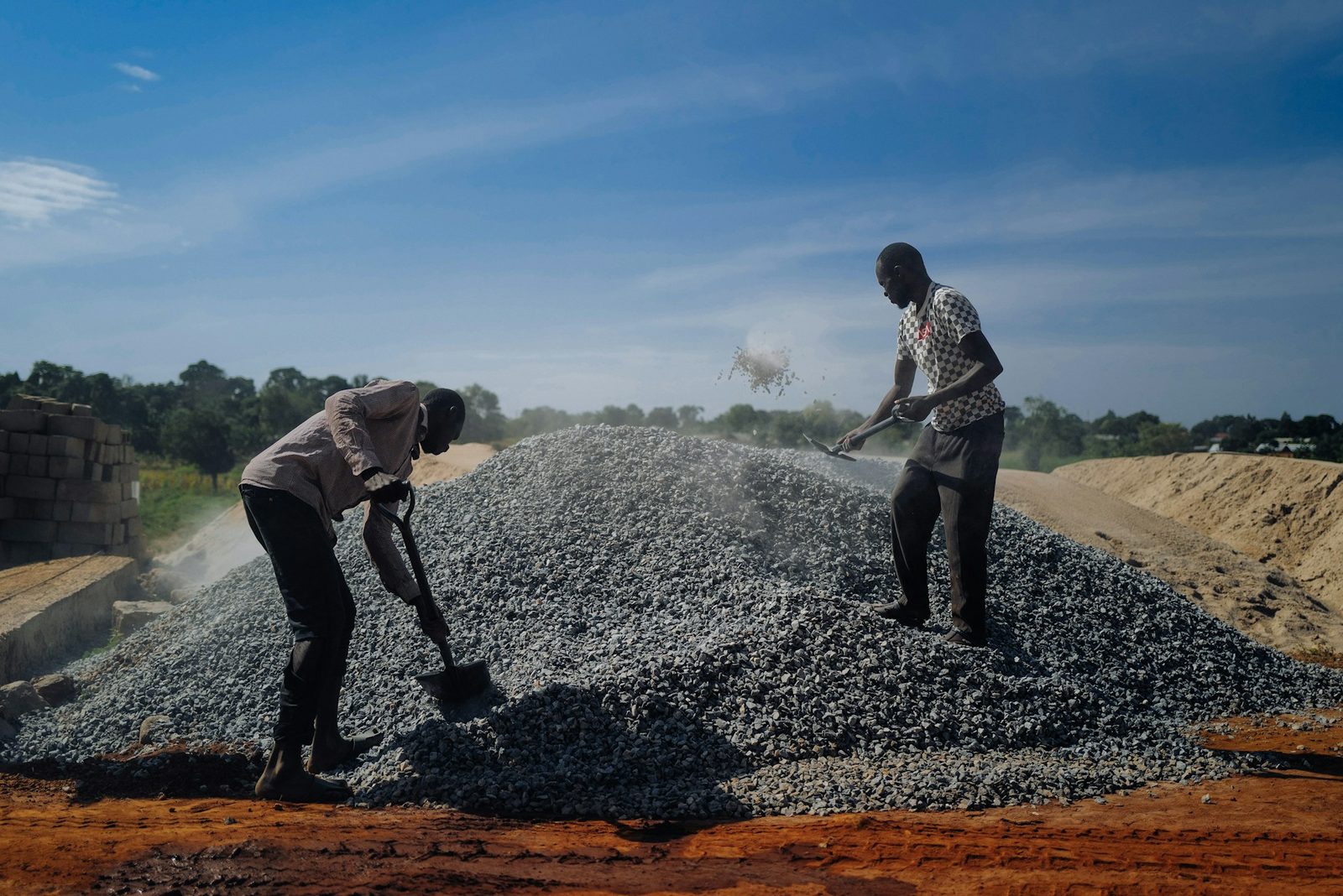
Two African workers shoveling crushed stone under a bright blue sky

Our mission

Our mission

Formalise artisanal mining at the source

Our mission is to formalise artisanal mining and to resolve the supply-chain problem that comes with it. Artisanal producers work the ground across the east of the Congo. They sell into channels that no buyer can see through. We are here to replace those channels with a record: a gate, a price, a weight, an assay and a payment.

The method is simple to state. We put a processing plant and a secured purchase gate where the raw material comes out of the ground. We buy raw deliveries at the plant gate at published prices. We refine and trace the material in-house. We reinvest the margin into the next group of sites. The material pays for the security, not the state.

Formalising the producers who supply us is part of the same work, not a programme on the side. A producer who sells at our gate is registered and paid at the gate. The material enters a chain of custody that a buyer can audit. That is what we mean by resolving the supply-chain problem.

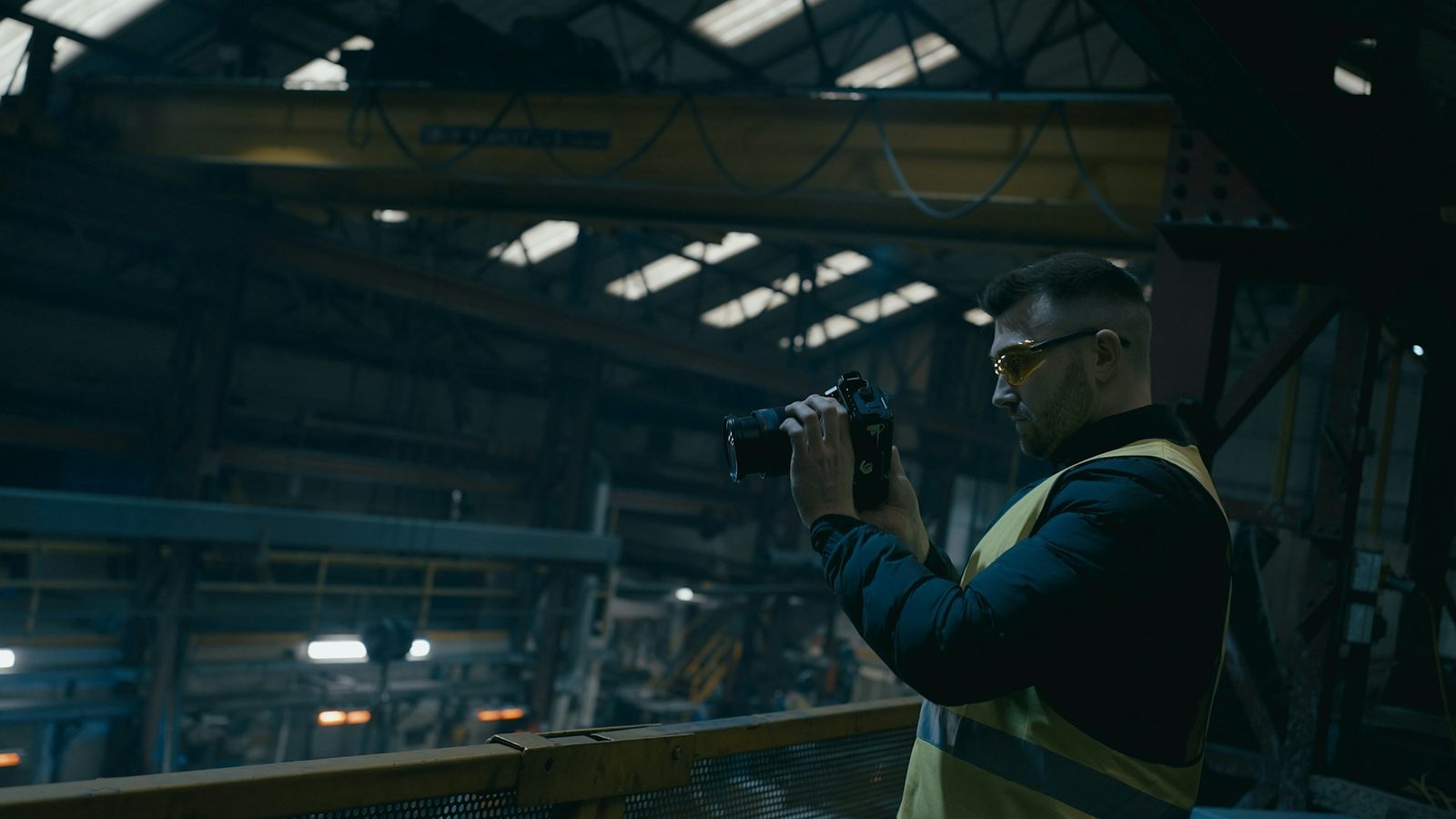
M23 fighters walking along a dirt road towards Goma, eastern Congo, with green hills behind

Why now · Photo: MONUSCO / Sylvain Liechti, CC BY-SA 2.0, via Wikimedia Commons

Why now

Three decades of conflict-ridden supply chains

War split the Congo three decades ago, and the east has been contested ever since. In all that time, the artisanal material that feeds world markets has moved through informal, opaque channels. Prices at the pit go unpublished. Few can say with confidence where a given lot came from, or who was paid for it.

We believe formalising that sector is both the right thing to do and one of the most profitable opportunities on the continent. We say that plainly because we have done the arithmetic. The two beliefs do not compete. The margin that now leaks through informal channels does not disappear when a gate opens. It is captured, recorded and reinvested.

Formalisation changes three things. The producer gets a price they can read before they dig, and a buyer who pays it. The end buyer gets material with an origin, a custody record and a refined grade. We get a margin, and a business that grows one group of sites at a time. Everyone in the chain can see the same numbers.

Finance professional reviewing charts on a tablet beside calculator and reports

How we work

How we work

The audit habit, applied to mining

Before capital moves, we verify five things. Title: who holds the right to the ground, and whether it survives scrutiny. People: who works the site, and who they answer to. Geology: what is in the ground, tested by someone we pay, not someone selling it. Custody: how material moves from pit to gate to plant, and where it could go missing. Cash: who is paid, how much, and whether the record matches the bag.

If any of the five fails, we do not build. If all five hold, we build the plant, open the gate and publish the price. From then on the discipline is the same every day. We buy at the published price. We trace every lot from gate to refined product. We keep the record so a buyer, a lender or a regulator can check it without asking us to explain.

We refine in-house, so the material stays in our custody until it is sold. The margin from each working site goes into the next group of sites, and the five checks begin again there. We publish what we pay, we write down what we move, and we let the record be checked. That is how we would want to be audited, so it is how we work.

How we work

Four habits we keep

Verify before capital

We check title, people, geology, custody and cash before money moves. What we cannot verify, we do not build.

Publish the price

The producer reads the gate price before the material leaves the ground, and is paid at the gate.

Custody on record

Every lot is refined and recorded in-house, so a buyer can follow it from the gate to the finished grade.

Reinvest the margin

What a site earns funds the next group of sites. The material pays for the security, not the state.

Talk to us

Start a conversation

If you are thinking seriously about artisanal mining, bring your questions. We answer with the record, a plan and a number.

Talk to us
Two African professionals shaking hands across an office table, sealing a partnership.